A curated family of hospitality brands — each a world of its own.
Our Brands
Ark Inn
Kaksh Villa
Stoned Age
Musée Art Cafe
Musée Banquet
Kalacube
Boutique HotelArk Inn
Boutique Hotel
Ark Inn
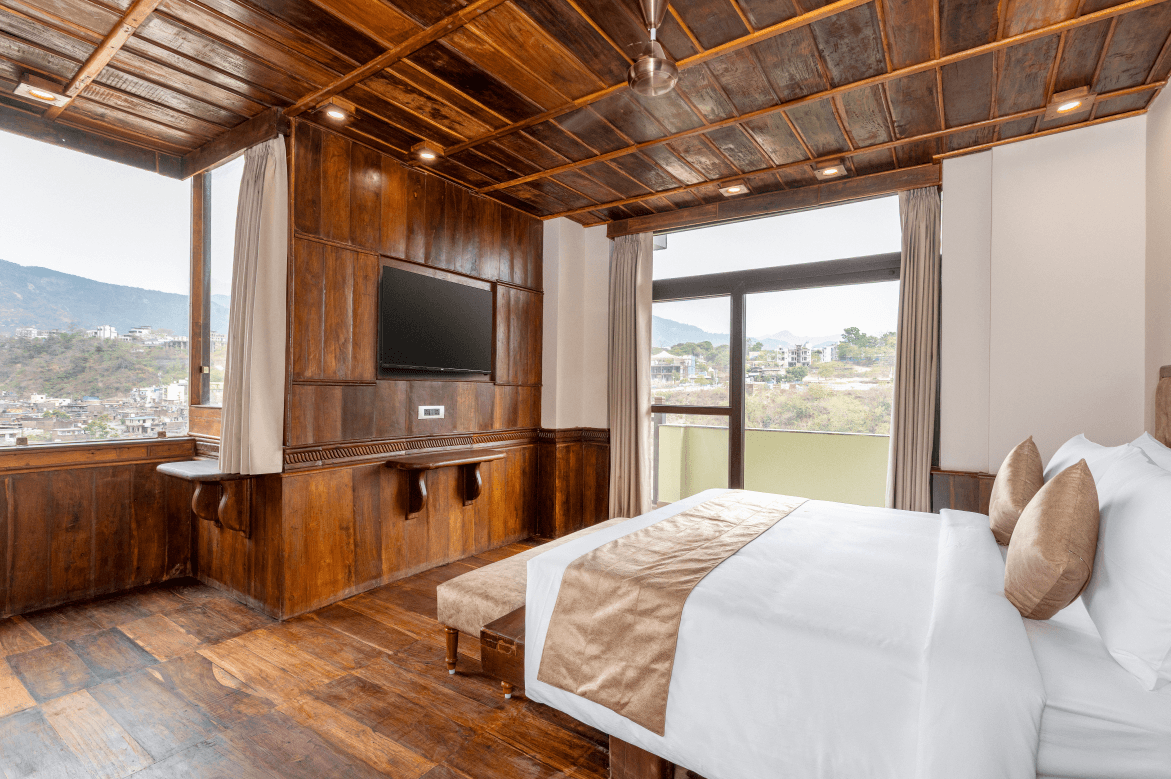
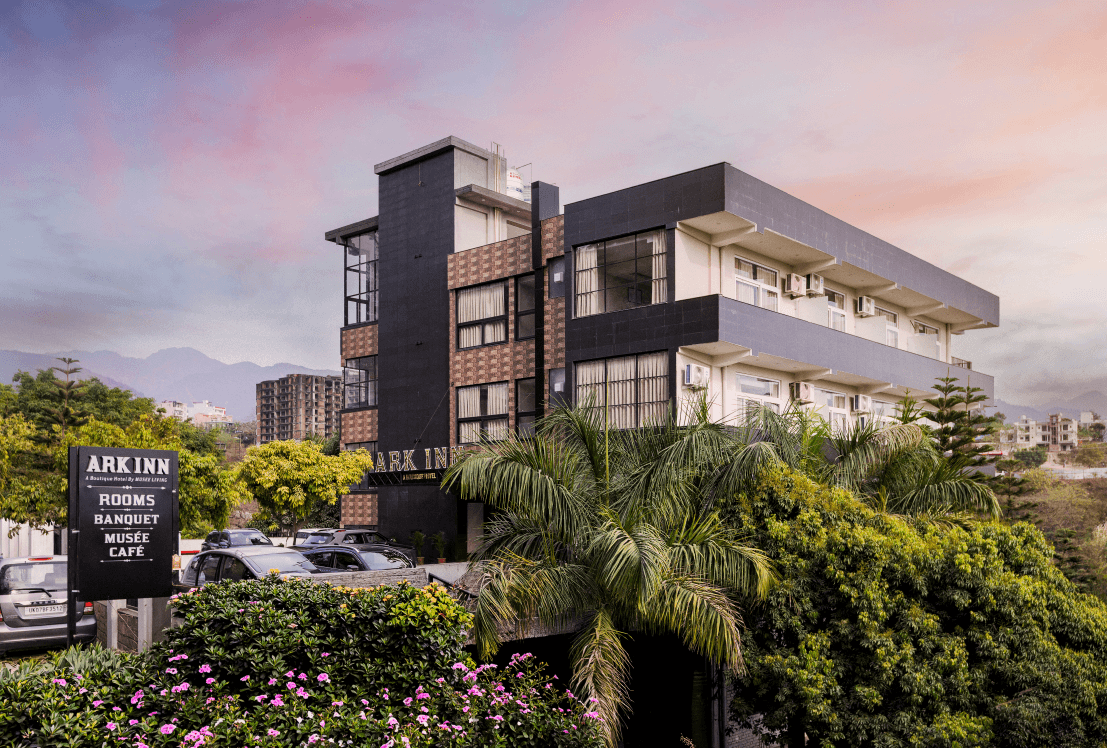
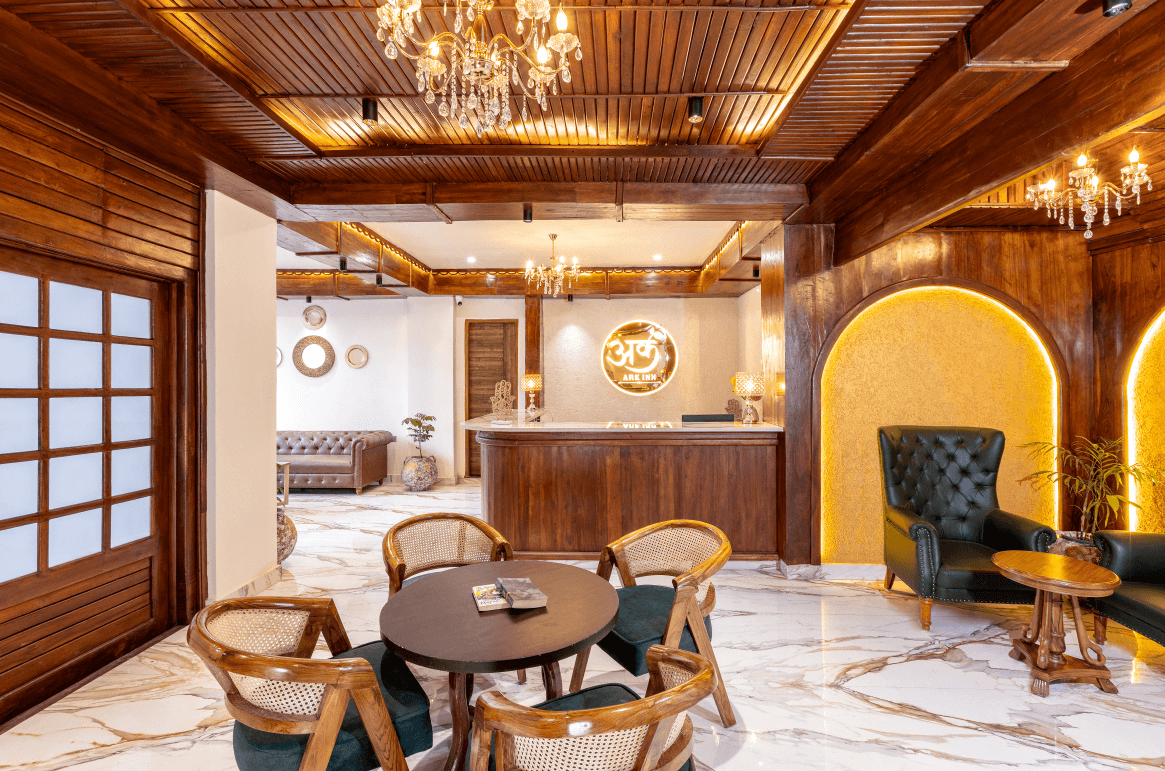
A soulful boutique inn nestled in Dehradun — 15 rooms at a deliberate scale, a garden restaurant and real hospitality that makes you feel like someone actually knows your name.
Read Journal →
Luxury VillaKaksh Villa
Luxury Villa
Kaksh Villa
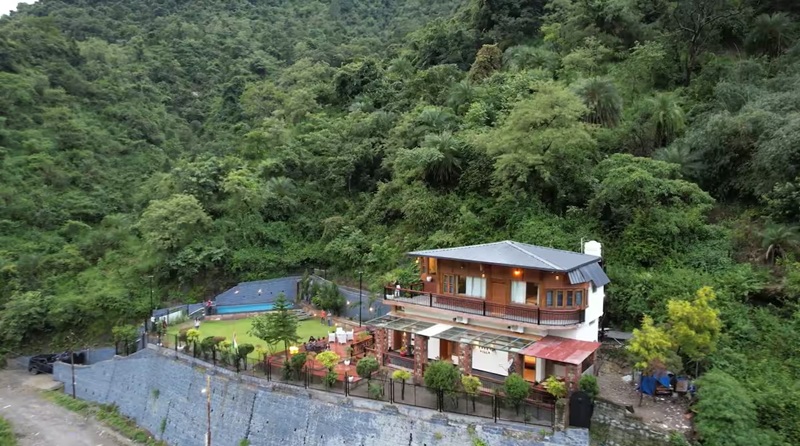
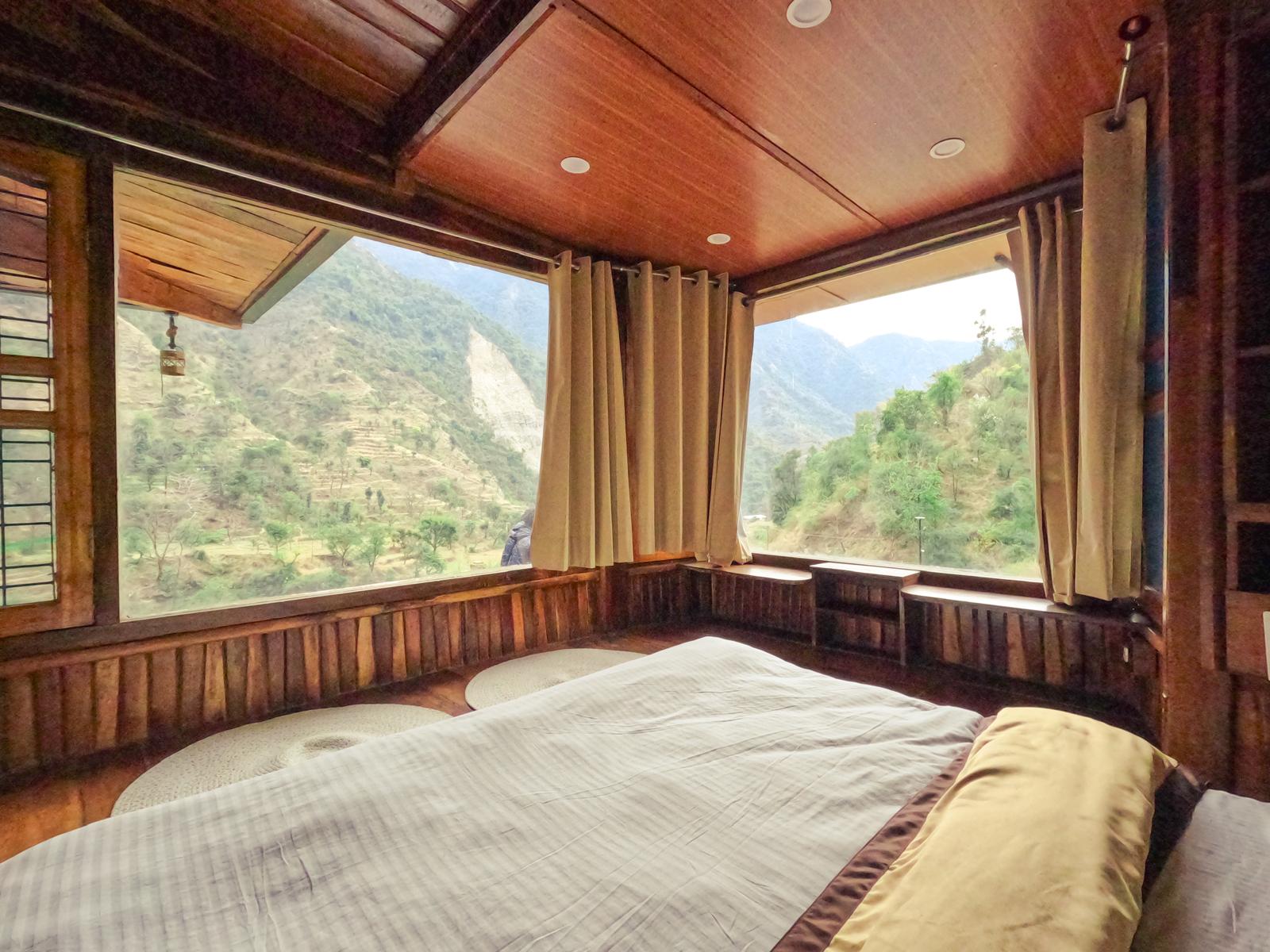
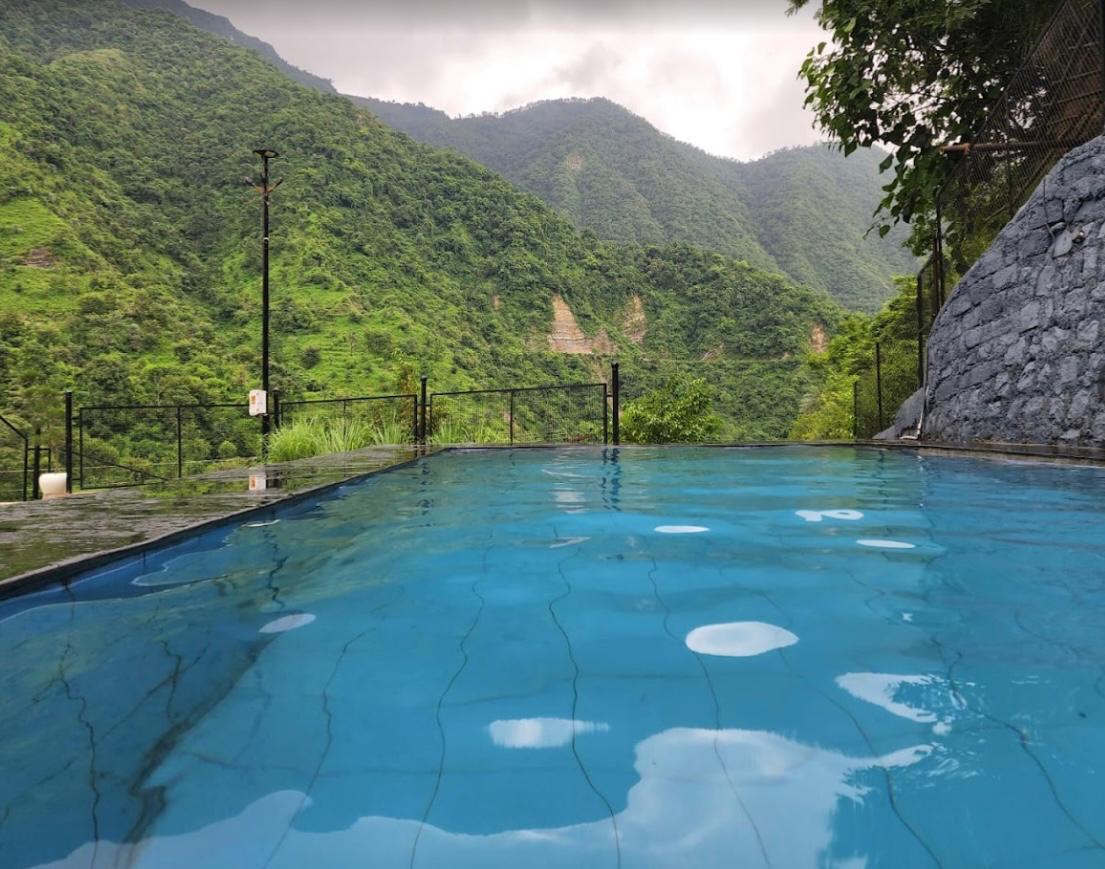
A fully private 4-bedroom luxury mountain villa near Sahastradhara bridge, Dehradun — private pool, river sounds, dedicated chef, and complete seclusion for 10-15 guests.
Read Journal →
Mountain StayStoned Age
Mountain Stay
Stoned Age
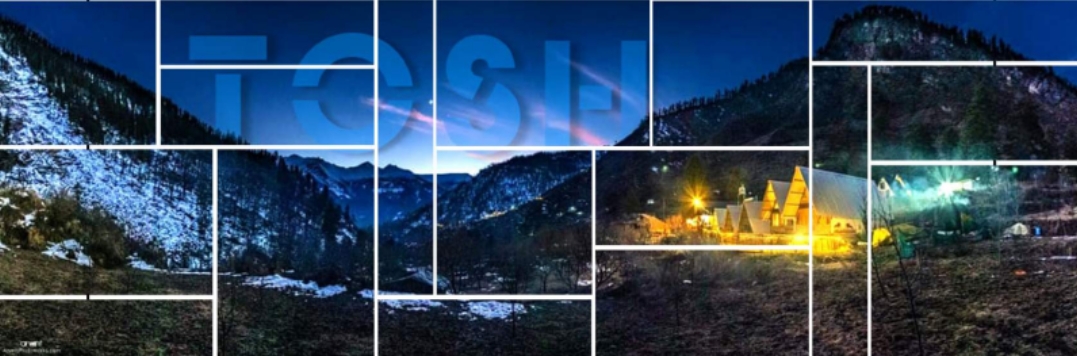
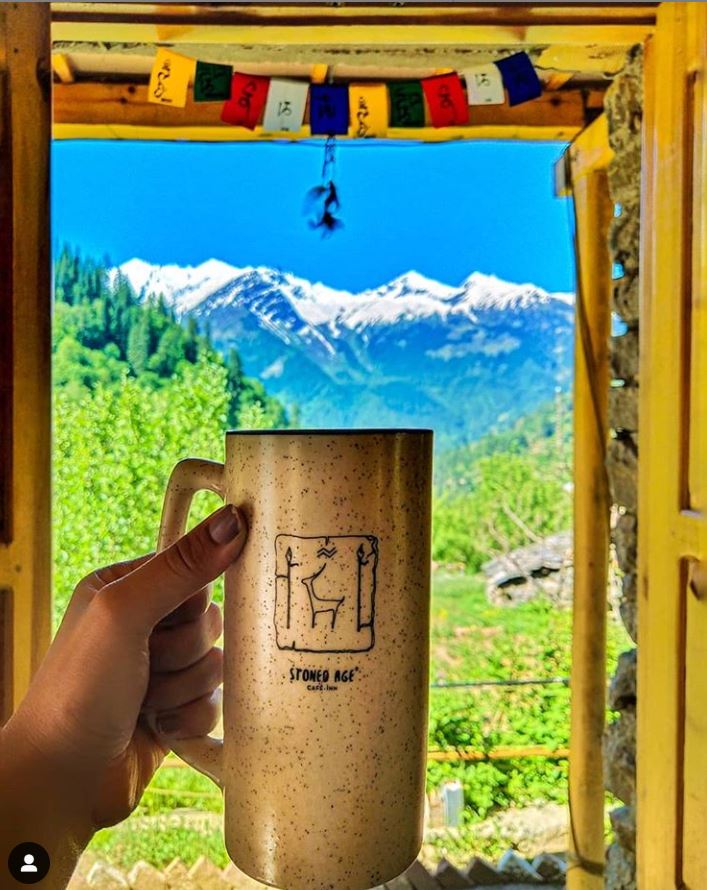
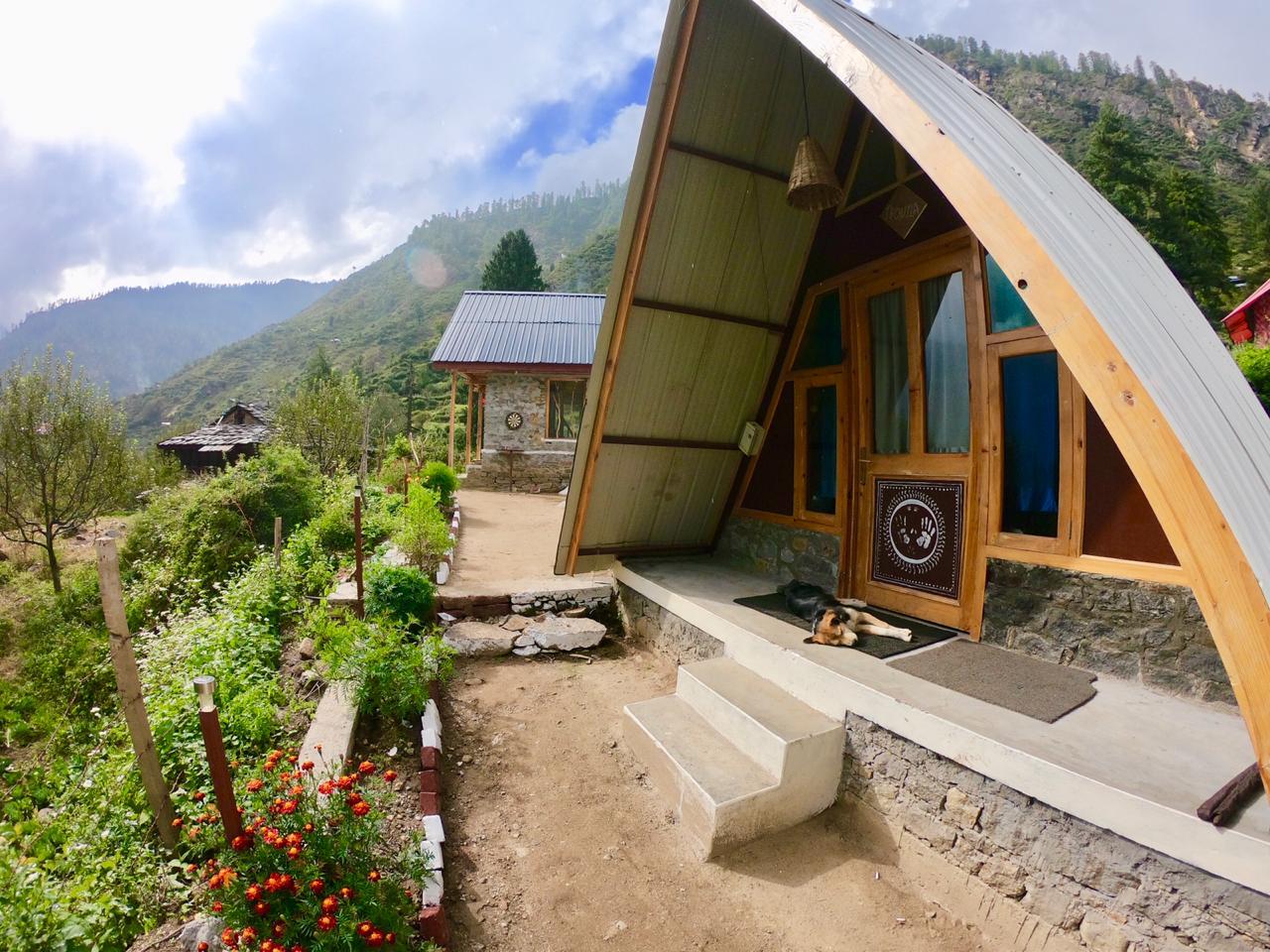
Stone cottages built into the hillside of Tosh village, Parvati Valley — 3 km past the last road, glacier views, complete digital detox, and a stay that took six months of impossible to build.
Read Journal →
Art CafeMusée Art Cafe
Art Cafe
Musée Art Cafe
Dehradun's first art cafe — a living gallery where rotating exhibitions, specialty coffee, and a community of 600+ independent artists coexist under one roof since 2019.
Read Journal →
Events & BanquetMusée Banquet
Events and Banquet
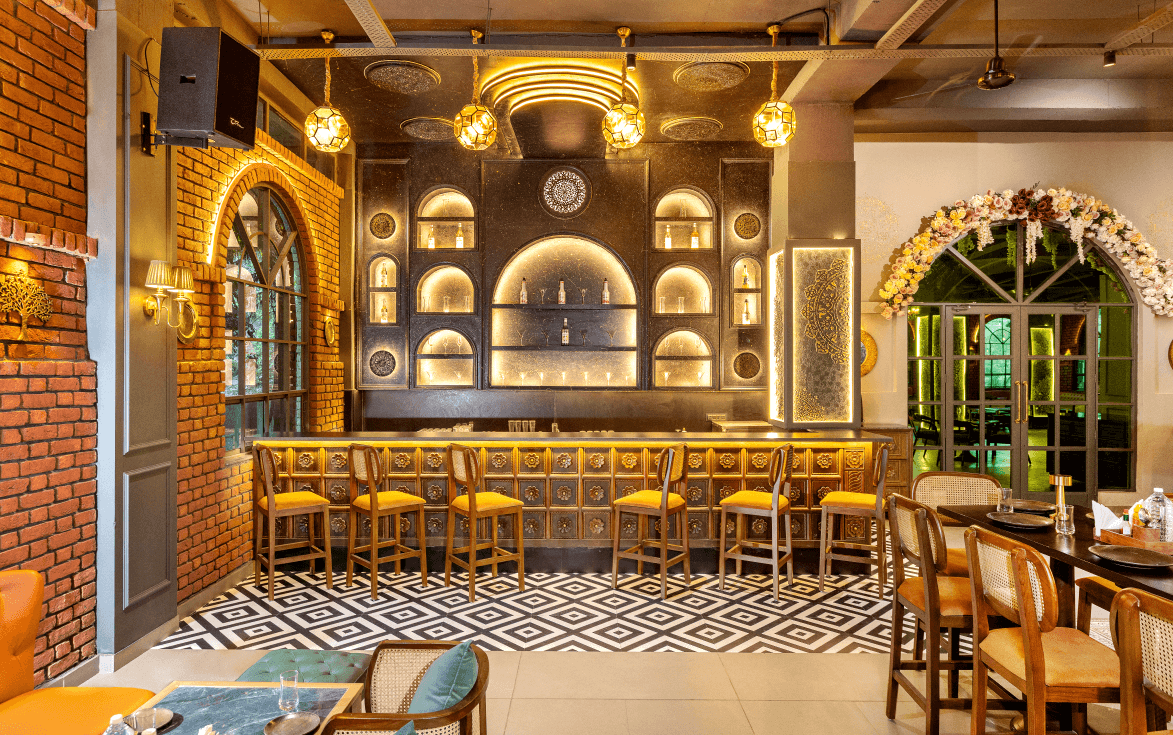
Musée Banquet
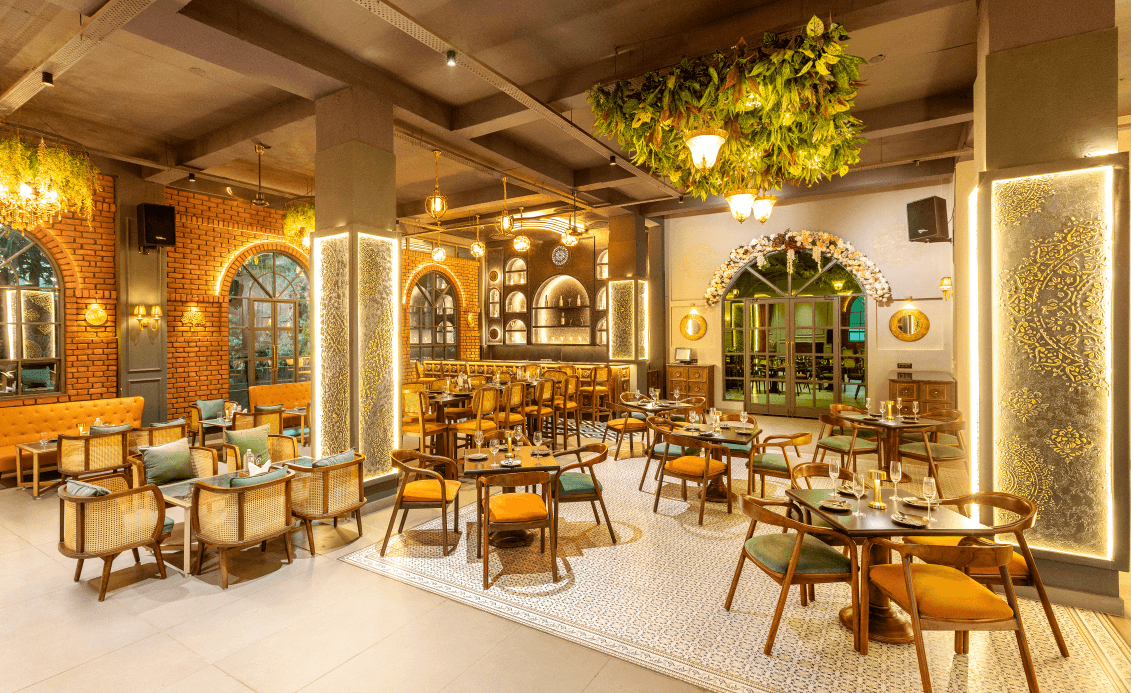
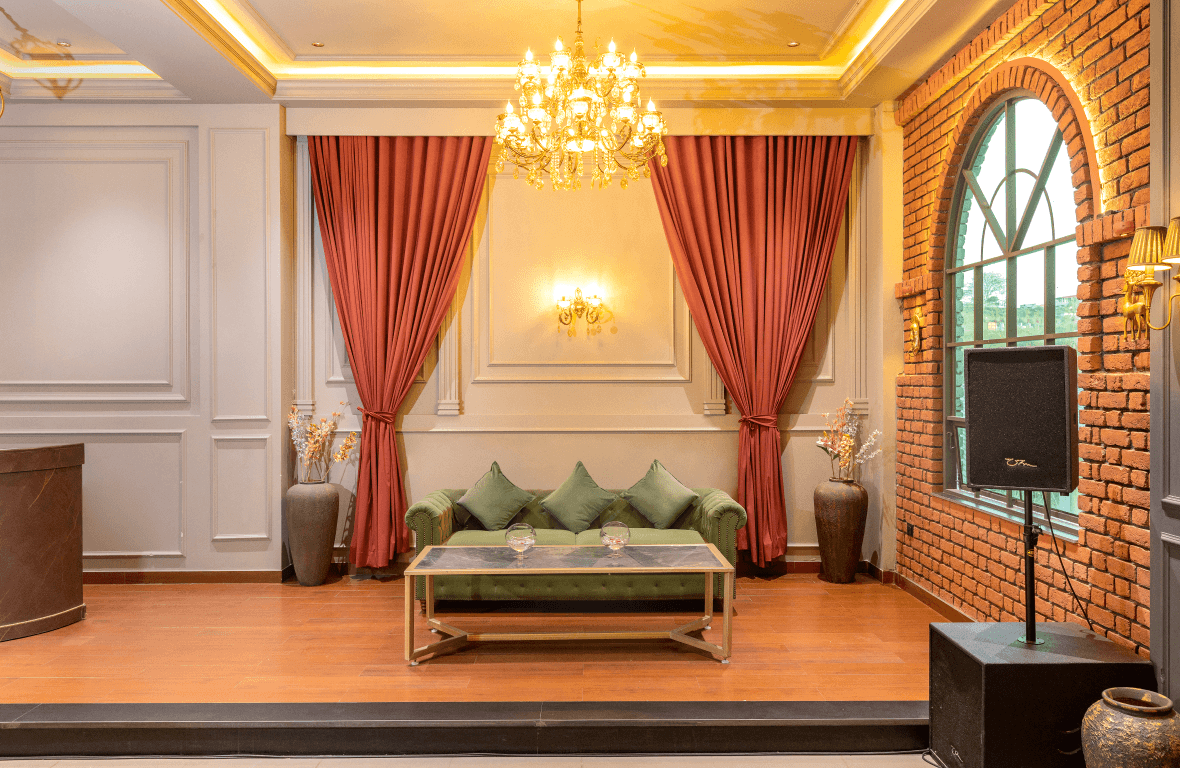
Dehradun's premier banquet and events venue — capacity for 300 guests, full AV infrastructure, and a team that handles weddings, corporate events, and milestone celebrations with equal commitment.
Read Journal →
Art MarketplaceKalacube
Art Marketplace
Kalacube
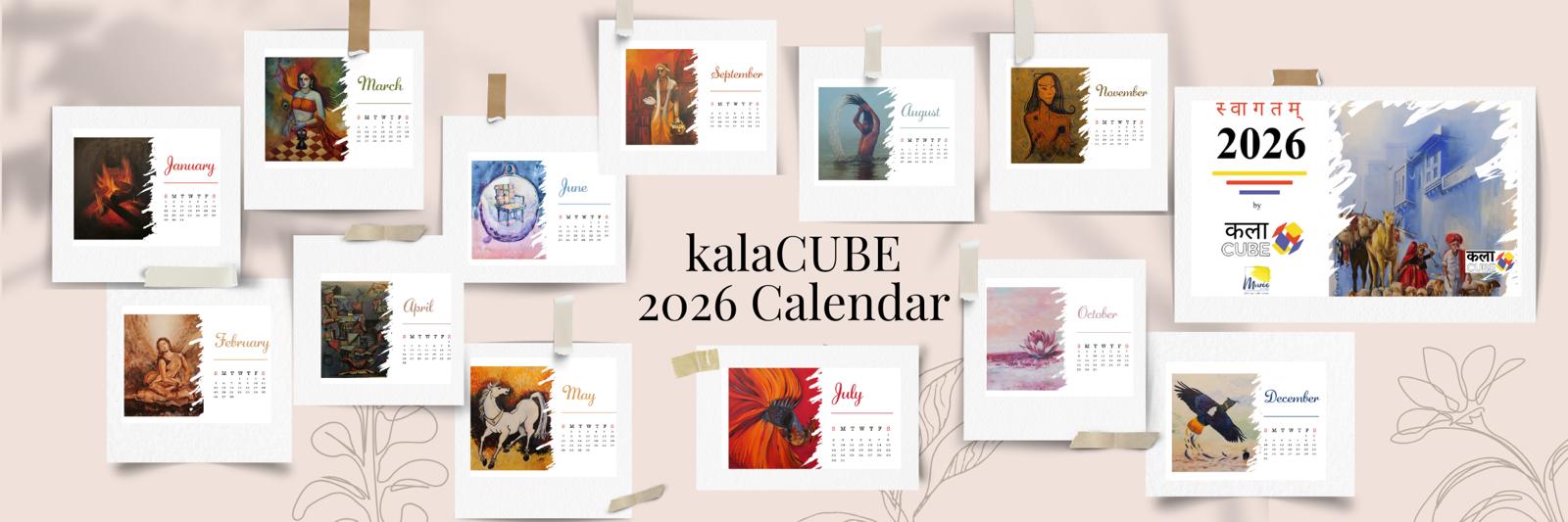
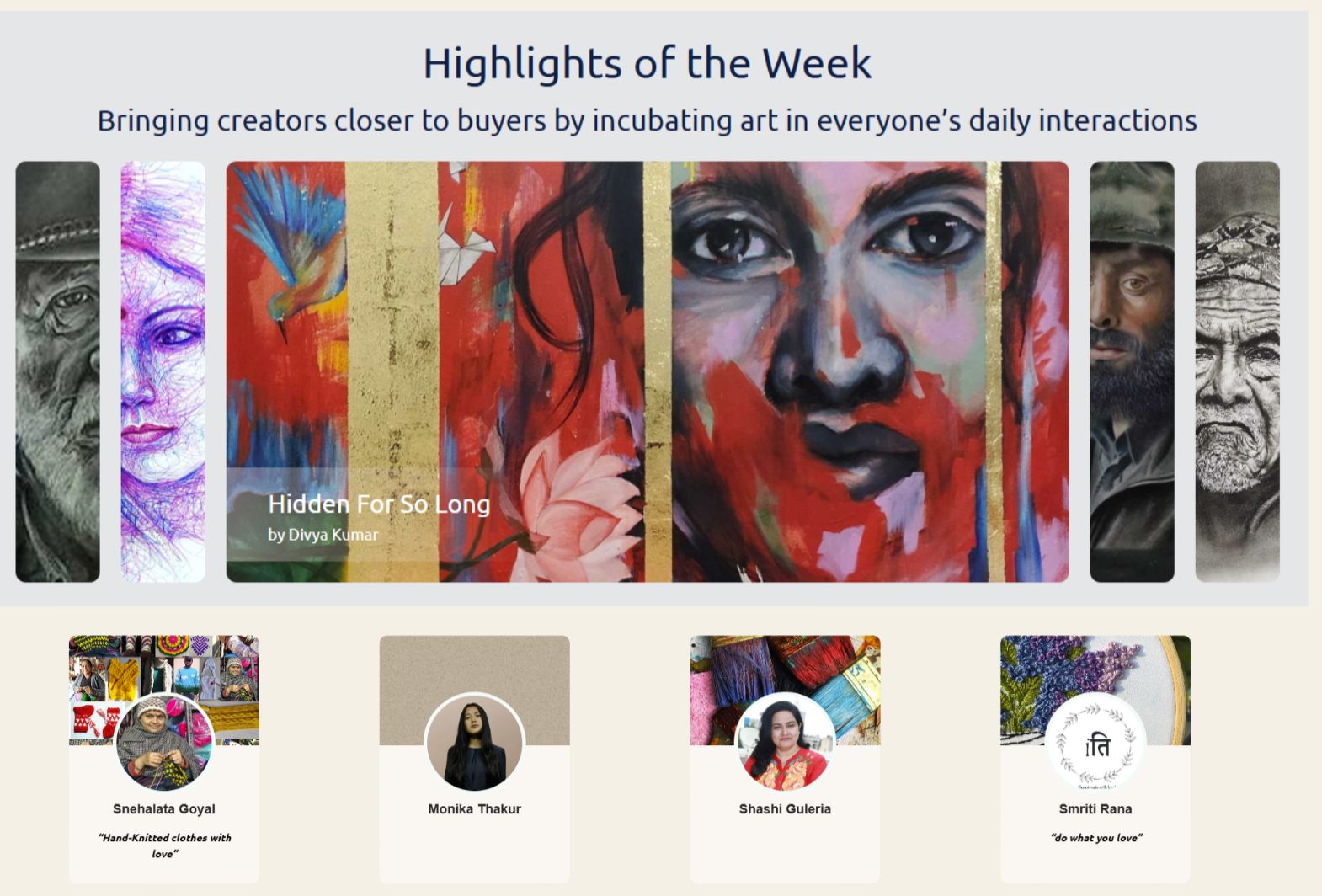
Kalacube is an art marketplace that connects independent artists with collectors, homes, and institutions — a curated platform where original works find the walls they were made for.
Read Journal →
Stay in the Loop
Stories, offers, and updates from Musée Living — no spam, just things worth reading.
By subscribing you agree to receive updates by email & on WhatsApp. Unsubscribe anytime.
Journals & Stories
Dispatches from across the Musée Living universe.
01
Boutique Hotel
Ark Inn
A soulful boutique inn nestled in Dehradun — 15 rooms at a deliberate scale, a garden restaurant and real hospitality that makes you feel like someone actually knows your name.
Read Journal →
02
Luxury Villa
Kaksh Villa
A fully private 4-bedroom luxury mountain villa near Sahastradhara bridge, Dehradun — private pool, river sounds, dedicated chef, and complete seclusion for 10-15 guests.
Read Journal →
03
Mountain Stay
Stoned Age
Stone cottages built into the hillside of Tosh village, Parvati Valley — 3 km past the last road, glacier views, complete digital detox, and a stay that took six months of impossible to build.
Read Journal →
04
Art Cafe
Musée Art Cafe
Dehradun's first art cafe — a living gallery where rotating exhibitions, specialty coffee, and a community of 600+ independent artists coexist under one roof since 2019.
Read Journal →
05
Events and Banquet
Musée Banquet
Dehradun's premier banquet and events venue — capacity for 300 guests, full AV infrastructure, and a team that handles weddings, corporate events, and milestone celebrations with equal commitment.
Read Journal →
06
Art Marketplace
Kalacube
Kalacube is an art marketplace that connects independent artists with collectors, homes, and institutions — a curated platform where original works find the walls they were made for.
Read Journal →
Stay in the Loop
Stories, offers, and updates from Musée Living — no spam, just things worth reading.
By subscribing you agree to receive updates by email & on WhatsApp. Unsubscribe anytime.
Get in Touch
Reservations, events, partnerships, or just a conversation.
Stories, offers, and updates from Musée Living — no spam, just things worth reading.
By subscribing you agree to receive updates by email & on WhatsApp. Unsubscribe anytime.
Boutique Hotel
Ark Inn — Journal
16 Rooms. A Terrace Garden. A Boutique Hotel That Feels Like It Was Made For You.
StoryDate · Read
01
Dehradun Has a New Boutique Hotel — And It Has a Point of View
Mar 14, 2026 · 6 min read · Introduction · Discovery
→
02
16 Rooms Is the Point: Why Small Hotels Are Winning in 2026
Mar 2, 2026 · 5 min read · Boutique Travel · Trend
→
03
The Terrace Garden at Ark Inn: Dehradun's Best Kept Secret
Feb 20, 2026 · 4 min read · Amenities · Experience
→
04
What Real Hospitality Actually Feels Like — And Where to Find It in Dehradun
Feb 6, 2026 · 5 min read · Hospitality · Brand Philosophy
→
05
Planning a Weekend in Dehradun? Here's Exactly Where to Stay in 2026
Jan 24, 2026 · 6 min read · Travel Guide · Weekend Trips
→
Stay in the Loop
Stories, offers, and updates from Musée Living — no spam, just things worth reading.
By subscribing you agree to receive updates by email & on WhatsApp. Unsubscribe anytime.
Ark Inn ←
Introduction · Discovery
Dehradun Has a New Boutique Hotel — And It Has a Point of View
Mar 14, 20266 min read
There's a particular kind of travel fatigue that has nothing to do with the journey. It comes from checking into a hotel — any hotel, in any city — and feeling absolutely nothing. The room is fine. The bed is adequate. The lighting is identical to the last place. You could be anywhere. You know you're nowhere specific.
If you've been searching for a boutique hotel in Dehradun that actually feels like Dehradun, Ark Inn was built to answer that search.
16 Rooms. A Deliberate Scale.
The number 16 is not a limitation — it's a philosophy. Ark Inn was built at 16 rooms because that's the number at which real hospitality remains possible. Below a certain scale, a hotel can know you. It can anticipate. It can course-correct instantly. A 200-room property operates through systems. A 16-room property operates through people — and people make the difference that no system ever can.
There are hotels that house you. And hotels that make you feel like the building was designed specifically for your kind of person. Ark Inn is the second kind.
A Building With a Point of View
The founder's words about Ark Inn: the kind of place I've always wanted to stay in when I travel and rarely found — where the building has a point of view. That phrase is the most useful description of what separates a truly memorable boutique hotel in Dehradun from merely a small hotel. Ark Inn has a perspective. An aesthetic. A reason for every decision that was made in its design.
The Newest Chapter in Dehradun's Boutique Scene
2026 marks the arrival of Ark Inn — the newest addition to Dehradun's growing design-forward hospitality landscape. Alongside the legacy of Musée Living's approach to space — from The Art Cafe to Musée Banquet — Ark Inn continues a philosophy of making spaces that people genuinely want to be in.
Stay in the Loop
Stories, offers, and updates from Musée Living — no spam, just things worth reading.
By subscribing you agree to receive updates by email & on WhatsApp. Unsubscribe anytime.
Ark Inn ←
Boutique Travel · Trend
16 Rooms Is the Point: Why Small Hotels Are Winning in 2026
Mar 2, 20265 min read
Something has shifted in how people choose where to stay. The era of the 400-room business hotel at the city centre, the loyalty points accumulation, the predictable buffet breakfast — it's not gone, but it's no longer aspirational. What's aspirational now is the 16-room boutique hotel in Dehradun where the staff remembers your name by day two.
The Science of Small: Why 16 Rooms Changes Everything
At 16 rooms, a hotel operates in a fundamentally different mode. The team-to-guest ratio allows for genuine attention. Preferences are remembered. Requests are handled by someone who can immediately act on them. A broken experience at a large hotel becomes a statistic. At Ark Inn, it becomes a conversation and a fix. Processed hospitality is efficient. Real hospitality is rare.
What Today's Travellers Actually Want
An experience that feels considered, not templated. Spaces that are Instagrammable because they're genuinely beautiful — not because they installed a neon sign. Staff who know the city, not just the hotel's services. Character — a building that has something to say. The feeling of staying somewhere rather than just sleeping somewhere.
Ark Inn and the Boutique Travel Movement
Dehradun attracts weekend travellers from Delhi and NCR, corporate visitors, explorers using it as a base for the hills, and a growing community of remote workers. All of them are looking for the same thing: a unique boutique hotel stay in Dehradun that matches the quality of their experience expectations. 16 rooms is not a constraint. It's a commitment to doing hospitality properly.
Stay in the Loop
Stories, offers, and updates from Musée Living — no spam, just things worth reading.
By subscribing you agree to receive updates by email & on WhatsApp. Unsubscribe anytime.
Ark Inn ←
Amenities · Experience
The Terrace Garden at Ark Inn: Dehradun's Best Kept Secret
Feb 20, 20264 min read
Every city looks different from a terrace. Dehradun from the Ark Inn terrace garden looks like the version of itself it always meant to be.
There's a particular pleasure in hotel amenities that aren't trying to be amenities. A terrace garden — honest, unhurried, genuinely beautiful — that asks nothing of you except that you sit in it for a while.
Why a Terrace Garden Changes a Hotel Stay
Access to outdoor space — real outdoor space, not a token balcony — fundamentally changes how a hotel feels. It gives the stay a rhythm: morning coffee before the city wakes up, an afternoon with a book, an evening watching Dehradun's skyline settle into dusk. A terrace garden provides something that no indoor amenity can replicate: the sensation of being part of the place you've travelled to.
Dehradun From Above
Dehradun is a city of layers — the Doon Valley floor, the foothills rising toward Mussoorie, the Rajaji forest in the distance, the colonial-era buildings interspersed with new construction. From a well-positioned terrace, you're not looking at a city. You're reading it. The Ark Inn terrace garden frames that reading experience with intention — greenery, seating, and views that make you want to stay longer than you planned.
The Garden as Part of the Ark Inn Philosophy
Ark Inn's identity is inseparable from its connection to natural textures — the terrace garden isn't an add-on, it's an extension of the hotel's core sensibility. Where the rooms have warmth and precision, the garden has openness and ease. Together they create the full Ark Inn experience.
Stay in the Loop
Stories, offers, and updates from Musée Living — no spam, just things worth reading.
By subscribing you agree to receive updates by email & on WhatsApp. Unsubscribe anytime.
Ark Inn ←
Hospitality · Brand Philosophy
What Real Hospitality Actually Feels Like — And Where to Find It in Dehradun
Feb 6, 20265 min read
The phrase real hospitality rather than processed hospitality appears in the Ark Inn founding philosophy — and once you've read it, you'll find yourself using it to diagnose every hotel you've ever stayed in.
Processed hospitality: the automated check-in kiosk, the breakfast buffet that's been running since 2009, the scripted response at checkout. Real hospitality: the staff member who remembers you ordered a certain tea yesterday and has it ready before you ask. The difference sounds small. In practice it's everything.
The Scale Problem and Why Ark Inn Solves It
Real hospitality requires a team-to-guest ratio that most hotels find economically inconvenient. At a 200-room property, the maths don't work for genuine personal attention. At Ark Inn's 16 rooms, they do. Every guest interaction is with a team that can be truly invested — not managing a queue, not following a flowchart. Just hosting, in the original sense of the word.
What Real Hospitality Looks Like Day-to-Day
Check-in that feels like a welcome, not a transaction. Local knowledge — real recommendations, not the laminated list on the desk. Rooms designed for sleep and comfort, not just photographed for booking sites. Requests handled immediately by someone with the authority to handle them. A team that's proud of the property they work in.
Why Ark Inn in Dehradun Is the Answer
When you search for the best boutique hotel in Dehradun that delivers genuine personal service, Ark Inn is the answer. It was built on the insight that people can feel the difference between a space that was designed for them and one that was designed for a demographic.
Stay in the Loop
Stories, offers, and updates from Musée Living — no spam, just things worth reading.
By subscribing you agree to receive updates by email & on WhatsApp. Unsubscribe anytime.
Ark Inn ←
Travel Guide · Weekend Trips
Planning a Weekend in Dehradun? Here's Exactly Where to Stay in 2026
Jan 24, 20266 min read
A weekend in Dehradun in 2026 looks different from five years ago. The city has restaurants worth flying for, a cafe scene that rivals larger metros, proximity to some of India's most beautiful hill roads, and an energy that's curious rather than chaotic. What it lacked — until now — is a boutique hotel that matches the quality of everything around it. Ark Inn is that hotel.
Why Where You Stay Shapes Your Entire Trip
A great hotel base changes how you experience a city. You return to something pleasant, which recalibrates the day. The best weekend getaway hotels in Dehradun aren't just beds between activities — they're part of the experience. Ark Inn's 16 rooms, terrace garden, and genuine hospitality make it the kind of base that improves every hour you're away from it.
The Ideal Dehradun Weekend
Friday evening: Check into Ark Inn. Terrace garden. Settle in. Saturday morning: Robber's Cave or Sahastradhara — come back for a long lunch. Saturday afternoon: The Paltan Bazaar or Chakarpur market. Saturday evening: Drive up to Mussoorie or dinner at one of Dehradun's new restaurants. Sunday: Tapkeshwar Temple, Forest Research Institute grounds, then a slow checkout.
The right hotel doesn't compete with the city you're visiting. It completes it.
From Delhi: The Perfect Doon Weekend
Dehradun is 5-6 hours from Delhi by road, under 5 by train. It's the closest proper hill city to the capital — which makes it the first choice for a weekend trip from Delhi to Dehradun.
Stay in the Loop
Stories, offers, and updates from Musée Living — no spam, just things worth reading.
By subscribing you agree to receive updates by email & on WhatsApp. Unsubscribe anytime.
Luxury Villa
Kaksh Villa — Journal
4 Bedrooms. Private Pool. River Views. A Mountain Villa Entirely Yours.
StoryDate · Read
01
The Most Stunning Private Villa in Dehradun — Pool, River and Zero Neighbours
Mar 12, 2026 · 7 min read · Villa · Discovery
→
02
This Private Pool in Dehradun Has Mountain Views — And It Is All Yours
Mar 1, 2026 · 5 min read · Pool · Mountain Views
→
03
The Ultimate Family Villa Getaway Near Dehradun
Feb 18, 2026 · 6 min read · Family Travel
→
04
The Most Romantic Mountain Getaway Near Dehradun
Feb 5, 2026 · 5 min read · Couples · Romance
→
05
Stop Booking Separate Hotel Rooms — Rent Kaksh Villa and Do the Group Trip Right
Jan 22, 2026 · 6 min read · Group Travel · Celebrations
→
Stay in the Loop
Stories, offers, and updates from Musée Living — no spam, just things worth reading.
By subscribing you agree to receive updates by email & on WhatsApp. Unsubscribe anytime.
Kaksh Villa ←
Villa · Discovery
The Most Stunning Private Villa in Dehradun — Pool, River and Zero Neighbours
Mar 12, 20267 min read
No traffic. No noise from neighbouring hotels. No strangers at the breakfast table. Just mountains, a river you can hear from your room, and a private pool that reflects the sky above Dehradun.
That's the first morning at Kaksh Villa — and the second, and the third. Every single day here feels like the version of a vacation you always imagined but rarely actually get.
What Kaksh Villa Actually Is
Kaksh Villa is a fully private, 4-bedroom luxury mountain villa nestled just beyond the Sahastradhara bridge in Dehradun. It sits on the main road but feels completely secluded — the kind of property that makes you forget the world exists about five minutes after you arrive. With capacity for 10 to 15 guests, it's built for groups who want to do things properly.
The Private Pool
Overlooking the mountains with nothing but open sky above it — the pool at Kaksh Villa is genuinely one of the finest outdoor spaces in any Dehradun property. It's not a hotel pool with strangers and pool rules. It's yours, entirely, for the duration of your stay.
The River
A scenic river flows near the property, close enough to hear, close enough to walk to. The sound of moving water is one of the most consistently effective ways to actually decompress — and at Kaksh Villa, it's built into the ambient soundtrack of your stay.
The Dedicated Chef
No cooking. No groceries. No arguments about who's making what. Kaksh Villa provides a dedicated chef who prepares freshly made meals throughout your stay. It's the detail that turns a good holiday into a genuinely great one.
Stay in the Loop
Stories, offers, and updates from Musée Living — no spam, just things worth reading.
By subscribing you agree to receive updates by email & on WhatsApp. Unsubscribe anytime.
Kaksh Villa ←
Pool · Mountain Views
This Private Pool in Dehradun Has Mountain Views — And It Is All Yours
Mar 1, 20265 min read
You know the difference between a hotel pool and a private pool. A hotel pool has rules, timings, strangers on sun loungers. A private pool at Kaksh Villa has none of that. It has mountains. It has open sky. It has the sound of a nearby river. And it has exactly the people you chose to bring with you, and nobody else.
The Pool at Kaksh Villa
The pool at Kaksh Villa overlooks the surrounding mountain landscape — meaning when you're in the water, what you're looking at is hills, sky, and green. Not the back of another hotel wing or a car park. It's surrounded by the villa's lush garden, creating a poolside experience that looks like a travel magazine and actually feels even better in real life.
How People Use the Pool Here
Morning Swim: The mountain air is cool and clear, the light is golden, and the pool is entirely yours. Lazy Afternoon: Floating in the pool with the afternoon sun overhead and the mountains around you, a cold drink in hand, nothing on the agenda. Evening Swim: As the day cools and the light shifts, the mountains turn golden. The sky changes. Evening swims at Kaksh Villa have a way of becoming the most talked-about part of the trip.
A Note on Privacy
There are no neighbouring establishments near Kaksh Villa. No other guests walking past. No shared facilities. The pool, the garden, the outdoor spaces — all exclusively yours for the duration of your stay.
Stay in the Loop
Stories, offers, and updates from Musée Living — no spam, just things worth reading.
By subscribing you agree to receive updates by email & on WhatsApp. Unsubscribe anytime.
Kaksh Villa ←
Family Travel
The Ultimate Family Villa Getaway Near Dehradun
Feb 18, 20266 min read
Family holidays are complicated. Multiple rooms to book across different hotel floors. The kids want the pool but it closes at 6pm. Someone has to handle three different food preferences. Kaksh Villa is built around the opposite of all of that. One property, entirely yours. Four bedrooms under one roof. A private pool with no closing time. A chef who handles all the food.
Four Bedrooms — Enough for Everyone
Kaksh Villa sleeps 10 to 15 adults comfortably, with extra beds available on request. The bedrooms are spacious and well-appointed — one featuring a beautiful attic floor with two king beds. Everyone gets their own room. Nobody has to share a bathroom with a stranger.
The Kitchen Handled For You
One of Kaksh Villa's best family features: a dedicated chef who prepares all meals. No one has to take a turn cooking. No one has to negotiate breakfast. The kitchen is fully managed by the villa's team — freshly made meals, every day, catered to your group's needs.
For the Kids
Private pool with no rules or timings. A lush garden with actual space to run. A nearby river to explore. Mountain views that make everything feel like an adventure. Kaksh Villa is the kind of place that turns into core childhood memories.
For the Adults
Complete privacy. No hotel lobby. No strangers at breakfast. A pool that's yours whenever you want it. A chef taking care of meals. Outdoor sitting areas for mornings with coffee and evenings with whatever you're drinking. This is the holiday adults actually need.
Stay in the Loop
Stories, offers, and updates from Musée Living — no spam, just things worth reading.
By subscribing you agree to receive updates by email & on WhatsApp. Unsubscribe anytime.
Kaksh Villa ←
Couples · Romance
The Most Romantic Mountain Getaway Near Dehradun
Feb 5, 20265 min read
There's a version of a romantic trip that looks good on paper — nice hotel, city location, rooftop dinner — and there's a version that actually delivers the feeling. The quiet. The privacy. The sense that for these few days, the world has shrunk to just the two of you. Kaksh Villa is firmly in the second category.
Total Privacy
No other guests. No shared spaces. No reception desk to pass through. The villa is entirely yours — every room, the pool, the garden, the outdoor terraces. The kind of privacy that lets you actually relax into a holiday rather than performing one.
The Pool for Two
A private pool overlooking the mountains, at any hour you choose. Morning swims as the sun rises over the hills. Evening floats as the sky shifts to gold and then dark. The pool at Kaksh Villa is one of the most romantic outdoor spaces near Dehradun.
The River Soundtrack
A scenic river flows near the property. That constant, gentle sound of moving water — audible from the outdoor sitting areas, from the garden — creates an atmosphere of peace that is genuinely hard to find anywhere near a city.
The Attic Room
Among Kaksh Villa's four bedrooms, the attic floor room is something special — featuring two king beds and a character that's distinct from the rest of the villa. For couples wanting the most memorable bedroom experience, this is the one to ask about when booking.
Stay in the Loop
Stories, offers, and updates from Musée Living — no spam, just things worth reading.
By subscribing you agree to receive updates by email & on WhatsApp. Unsubscribe anytime.
Kaksh Villa ←
Group Travel · Celebrations
Stop Booking Separate Hotel Rooms — Rent Kaksh Villa and Do the Group Trip Right
Jan 22, 20266 min read
Every group trip starts the same way. Someone suggests it. Everyone agrees it's long overdue. Then comes the logistics: multiple hotel rooms across different floors, the pool shared with 200 other hotel guests. Booking Kaksh Villa as a group solves all of it in one move. One villa. One pool. One chef. Everyone together.
The Space Actually Fits Everyone
With 4 bedrooms and capacity for 10 to 15 people, Kaksh Villa doesn't just fit your group — it gives everyone space to breathe. Common areas large enough for the whole group to be together. Bedrooms private enough that everyone gets their own retreat.
The Pool Is a Group Activity on Its Own
A private pool with mountain views, no time limits, no other guests, no rules. The pool at Kaksh Villa becomes the natural hub of a group trip — where the best conversations happen, where the most photos are taken, and where the afternoon disappears without anyone noticing.
What a Weekend With Your Group Looks Like
Day One: Arrive, drop bags, immediately head to the pool. The chef has something waiting. The mountain view from the outdoor terrace lands differently than any photo. The group WhatsApp goes quiet because everyone is finally, actually present. Day Two: Slow morning. Breakfast on the terrace. A walk to the nearby river. Afternoon back at the pool. The kind of evening around a dinner table that you all remember for months.
Stay in the Loop
Stories, offers, and updates from Musée Living — no spam, just things worth reading.
By subscribing you agree to receive updates by email & on WhatsApp. Unsubscribe anytime.
Mountain Stay
Stoned Age — Journal
Tosh, Parvati Valley. 3 km past the last road. Built from the earth itself.
StoryDate · Read
01
They Said It Was Impossible. He Built It Anyway. The StonedAge Story.
Mar 14, 2026 · 7 min read · Origin Story · Off-Grid
→
02
Tosh Village: The Most Beautiful Place in Himachal That Most People Never Reach
Mar 3, 2026 · 6 min read · Travel Guide · Parvati Valley
→
03
The 3 km Walk to StonedAge Is Not an Inconvenience — It Is the Beginning
Feb 18, 2026 · 5 min read · Trekking · Barshaini to Tosh
→
04
No Signal, No Road, Nothing But Mountains — What Happens When You Actually Disconnect
Feb 5, 2026 · 6 min read · Digital Detox · Off-Grid
→
05
The Most Romantic Place in Himachal Pradesh Requires a 3 km Trek
Jan 22, 2026 · 5 min read · Couples · Romantic Getaway
→
Stay in the Loop
Stories, offers, and updates from Musée Living — no spam, just things worth reading.
By subscribing you agree to receive updates by email & on WhatsApp. Unsubscribe anytime.
Stoned Age ←
Origin Story · Off-Grid
They Said It Was Impossible. He Built It Anyway. The StonedAge Story.
Mar 14, 20267 min read
3 km past the last road, 6 months of hauling stone by mule, and one question that changed everything: can I build something here?
Most people look at a mountain in Tosh and see the end of a journey. In 2016, one person stood at that exact edge and asked a different question. Not can I get here? but can I build something here? The answer was six months of digging dirt, hauling stone, sourcing timber, and solving problems that have no Google answers. The last motorable road ends 3 kilometres before the property. Every material had to be carried in on foot or on mules through mountain terrain that doesn't forgive mistakes.
Built From the Earth, Not Placed On It
StonedAge is stone and wood — ancient materials that belong to that landscape. Walk up to it for the first time and something registers before your brain can name it: this looks like it grew here. Because in a very real sense, it did. The structure doesn't sit on the mountain. It emerges from it. The stone walls are the mountain's own stone. The timber is from the surrounding forests.
Difficulty Is a Filter, Not a Barrier
Here's what building in the Himalayas teaches you: the hardest things to build are also the most defensible. StonedAge took six months of impossible logistics. That impossibility is precisely why nothing else like it exists in Tosh. The guests who arrive after that 3 km walk — breathless, cold, disoriented, already a little changed — don't just check in. They exhale. The journey earns the arrival.
Stay in the Loop
Stories, offers, and updates from Musée Living — no spam, just things worth reading.
By subscribing you agree to receive updates by email & on WhatsApp. Unsubscribe anytime.
Stoned Age ←
Travel Guide · Parvati Valley
Tosh Village: The Most Beautiful Place in Himachal That Most People Never Reach
Mar 3, 20266 min read
Tosh doesn't appear on most maps. The ones who find it rarely want to leave.
Parvati Valley is one of India's most celebrated Himalayan valleys — and even within it, Tosh sits apart. Located at approximately 2,600 metres above sea level, accessible only by a 3 km trek from Barshaini, Tosh is the kind of place that self-selects its visitors. You don't stumble into Tosh. You choose it. You pack for it. You walk to it.
Why Tosh Is Different From Every Other Hill Station
Shimla has the infrastructure. Manali has the crowds. Kasol has become its own phenomenon. Tosh has something rarer: genuine remoteness that is still, just barely, accessible. There are no vehicles in Tosh. No honking. No tourist buses. What Tosh has is the Himalayas at their most honest — unfiltered, unpackaged.
The Tosh Glacier
The glacier that gives Tosh its character is visible from multiple points in the village — including from the StonedAge property. It's one of those views that photograph inadequately and affect you completely. The scale, the age, the silence — the Tosh Glacier is the reason people come back.
Getting There
Delhi to Bhuntar by road or air, then Kasol (approx. 30 km), then Barshaini (last motorable point), then Tosh (3 km trek). Sturdy trekking shoes recommended. Mule service available from Barshaini for bags. Accessible March through November.
Stay in the Loop
Stories, offers, and updates from Musée Living — no spam, just things worth reading.
By subscribing you agree to receive updates by email & on WhatsApp. Unsubscribe anytime.
Stoned Age ←
Trekking · Barshaini to Tosh
The 3 km Walk to StonedAge Is Not an Inconvenience — It Is the Beginning
Feb 18, 20265 min read
Every review of StonedAge mentions the 3 km walk from Barshaini to Tosh. Some people bring it up as a warning. It should be brought up as a recommendation.
The walk from Barshaini to Tosh is 3 kilometres of mountain trail at altitude, through terrain that goes from forested to open to spectacular without giving you time to prepare. The Tosh river runs below. The peaks appear above. Your phone signal drops somewhere in the first kilometre, and by the time you arrive at Tosh you have been gently, thoroughly removed from the world you left that morning.
What the Walk Actually Does
The trail to StonedAge functions as a decompression chamber — the physical transition between the noise of wherever you came from and the silence of where you're going. By the time you arrive, you've already started to shift. The place just completes what the walk begins.
What to Bring
Good footwear is non-negotiable — trail runners or proper trekking shoes. Pack light if you can; mule service is available from Barshaini for larger luggage. The trail is manageable for most fitness levels but gains elevation steadily. Take your time. The property will wait.
When the Walk Is Best
Early morning is magical — the light, the temperature, the quality of the silence on the trail. What matters most is giving yourself enough time to not rush it. The trail rewards the unhurried.
Stay in the Loop
Stories, offers, and updates from Musée Living — no spam, just things worth reading.
By subscribing you agree to receive updates by email & on WhatsApp. Unsubscribe anytime.
Stoned Age ←
Digital Detox · Off-Grid
No Signal, No Road, Nothing But Mountains — What Happens When You Actually Disconnect
Feb 5, 20266 min read
No WiFi. No road. No noise. Just you, the glacier, and the version of yourself that only emerges when everything else goes quiet.
Somewhere on the trail between Barshaini and Tosh, your phone loses signal. It happens gradually and then completely. For most people, that moment triggers a small anxiety. Then the anxiety passes. And what follows is something that a lot of people describe as the most significant part of a StonedAge stay.
What Off-Grid Actually Means at StonedAge
StonedAge is not performing rustic. It's genuinely, structurally off-grid — built 3 km past the last road, in a village with no vehicular access. The result is a property where disconnection isn't a selling point — it's a physical fact. You couldn't be constantly plugged in here even if you tried. And that inability turns out to be a profound relief.
What Guests Actually Experience
The first day at StonedAge is always the adjustment. The second day is when it starts. By the third day, guests consistently report sleeping better than they have in months. Dreams become vivid. Appetite sharpens. The compulsive reach for the phone stops happening. None of this is mystical — it's the straightforward result of removing chronic low-level stimulation from a nervous system that has been running on it for years.
The Glacier Does Something
There is a particular effect of looking at something ancient and enormous and completely indifferent to human timelines. The Tosh Glacier, visible from the property, is that thing. Looking at it from the stone terrace of StonedAge, geological timescale becomes briefly comprehensible — and something in the urgency of everyday life becomes correspondingly small.
Stay in the Loop
Stories, offers, and updates from Musée Living — no spam, just things worth reading.
By subscribing you agree to receive updates by email & on WhatsApp. Unsubscribe anytime.
Stoned Age ←
Couples · Romantic Getaway
The Most Romantic Place in Himachal Pradesh Requires a 3 km Trek
Jan 22, 20265 min read
No other guests on the trail. No cars. No noise. Just mountains, a glacier, and the person you walked here with.
There are romantic getaways that look beautiful in photos and feel generic in person. And then there are the places that create their own atmosphere so completely that the romance isn't manufactured. It's the only natural response to where you are. StonedAge in Tosh is the second kind.
The Walk Changes Things
The 3 km trek from Barshaini to Tosh is the beginning of the experience, not a prelude to it. Walking together through mountain terrain — carrying your own bags, navigating the same trail, arriving breathless at the same moment — does something to a relationship that no spa weekend achieves. You arrived together. You earned it together.
The Glacier View
Couples consistently describe the moment the Tosh Glacier comes into full view from the StonedAge property as the emotional centrepiece of the trip. Not the food, not the cottage, not the service — the glacier. Because it's the kind of view that makes everything else feel small and makes the person next to you feel more important, simultaneously.
What a Couple's Stay Looks Like
Slow mornings with the Himalayas in front of you. The walk to the glacier in the afternoon. Evenings where the conversation runs deeper than it does at home, because there is nothing else competing for your attention. No television. No signal. No agenda.
Stay in the Loop
Stories, offers, and updates from Musée Living — no spam, just things worth reading.
By subscribing you agree to receive updates by email & on WhatsApp. Unsubscribe anytime.
Art Cafe
Musée Art Cafe — Journal
Dehradun's First Art Cafe. 600+ Artists. 60,000+ Artworks. Since 2019.
StoryDate · Read
01
Inside Dehradun's Most Aesthetic Cafe — And Why Musée Is More Than a Pretty Place
Mar 13, 2026 · 7 min read · Discovery · Visual Escape
→
02
The Coffee Is Just the Beginning: A Foodie's Guide to Musée Art Cafe Dehradun
Feb 28, 2026 · 5 min read · Food and Coffee · Menu
→
03
Why Gen Z Is Obsessed With Musée Art Cafe — Dehradun's Creative Third Place
Feb 12, 2026 · 5 min read · Community · Culture
→
04
600 Artists. One Cafe. How Musée Is Rewriting What Support Local Really Means
Jan 30, 2026 · 6 min read · Artists · Community Impact
→
05
The Most Romantic Date Spot in Dehradun Is Not a Restaurant — It's an Art Cafe
Jan 16, 2026 · 4 min read · Date Spot · Romance
→
Stay in the Loop
Stories, offers, and updates from Musée Living — no spam, just things worth reading.
By subscribing you agree to receive updates by email & on WhatsApp. Unsubscribe anytime.
Musée Art Cafe ←
Discovery · Visual Escape
Inside Dehradun's Most Aesthetic Cafe — And Why Musée Is More Than a Pretty Place
Mar 13, 20267 min read
There are cafes you visit once. And then there's Musée Art Cafe — the kind of place you find yourself returning to, not just for the coffee, but because something about it feels like home.
Nestled in the heart of Dehradun, Musée (pronounced myoo-zay, like the French word for museum) was never designed to be just another cafe. From day one, it was built around a single, quietly radical idea: what if a cafe was also a living, breathing art gallery?
Art shouldn't live only in galleries, and good food should always come with good ideas — Musée Art Cafe
What Makes Musée Visually Different
Walk through Musée's doors and you'll immediately feel it — a warmth that's hard to name but impossible to miss. The walls are alive. Every surface tells a story, and that story changes as the seasons do. Unlike most cafes that put up a few framed prints and call it ambiance, Musée has displayed over 60,000 artworks since it opened in 2019. Each one was created by a real artist — someone local, someone independent, someone who needed a platform more than a gallery with velvet ropes.
A Cafe That Actually Supports Artists
Here's what sets Musée apart from every aesthetic cafe you've ever seen on Instagram: it actually means something. Since opening in 2019, Musée has supported over 600 artists — hosted launch events, residencies, workshops, and exhibitions that gave emerging creatives a real platform. When you buy a coffee at Musée, you're not just paying for a drink. You're funding a creative ecosystem that Dehradun has never had before.
Stay in the Loop
Stories, offers, and updates from Musée Living — no spam, just things worth reading.
By subscribing you agree to receive updates by email & on WhatsApp. Unsubscribe anytime.
Musée Art Cafe ←
Food and Coffee · Menu
The Coffee Is Just the Beginning: A Foodie's Guide to Musée Art Cafe Dehradun
Feb 28, 20265 min read
Good food should always come with good ideas. That's the philosophy Musée was built on. And it shows in every cup they pour and every plate they serve.
The Coffee — Where It All Begins
At Musée, the coffee program is specialty-focused. Sourcing matters, extraction matters, and the barista isn't just a button-pusher — they're a craftsperson. Whether you're a flat white devotee, a pour-over purist, or someone who just wants a great cappuccino — Musée delivers. The chai program and non-dairy alternatives are equally considered.
Food That Deserves Its Own Photo
The food menu at Musée sits at the intersection of comfort and craft. Toasts that are elevated without being pretentious. Bowls that are colourful enough to photograph and hearty enough to fill you up. Desserts that pair naturally with whatever you're sipping. It's the kind of menu that works for a slow solo morning, a working lunch, a creative date, or a long catch-up with a friend you haven't seen in months.
The Vibe While You Eat
The food tastes better because of where you are. There's something about sitting surrounded by original artwork, with the low hum of a creative space around you, that makes everything feel more intentional. You're not just grabbing a bite. You're having an experience.
Stay in the Loop
Stories, offers, and updates from Musée Living — no spam, just things worth reading.
By subscribing you agree to receive updates by email & on WhatsApp. Unsubscribe anytime.
Musée Art Cafe ←
Community · Culture
Why Gen Z Is Obsessed With Musée Art Cafe — Dehradun's Creative Third Place
Feb 12, 20265 min read
There's a reason the concept of the third place — that space between home and work or school — has never been more relevant than it is for Gen Z. Home is chaotic. School or work is structured. They need somewhere that's neither — somewhere that feels like it belongs to them. At Musée Art Cafe in Dehradun, that third place exists.
What Musée Gets About This Generation
Musée was built on values that Gen Z instinctively gravitates toward. Authenticity over polish. Community over transactions. Art that belongs to real people, not just institutions. A space that says stay as long as you want rather than pushing you toward a bill. The founders didn't build Musée to be trendy — they built it to be true.
The Creator Economy Meets a Physical Space
In the age of content creation, having a beautiful, ever-changing physical backdrop is genuinely valuable. But Musée goes beyond being a backdrop — it's actively part of the content. Students come to film, sketch, write, and brainstorm. The art on the walls becomes part of the story they're telling online.
Events That Feel Like Culture, Not Marketing
Musée has hosted hundreds of events since 2019 — workshops, exhibitions, artist residencies, community gatherings. These aren't brand activations. They're genuine cultural moments. And Gen Z knows the difference.
Stay in the Loop
Stories, offers, and updates from Musée Living — no spam, just things worth reading.
By subscribing you agree to receive updates by email & on WhatsApp. Unsubscribe anytime.
Musée Art Cafe ←
Artists · Community Impact
600 Artists. One Cafe. How Musée Is Rewriting What Support Local Really Means
Jan 30, 20266 min read
Most art galleries in India share a common trait: they're intimidating. The white walls, the hushed atmosphere, the feeling that you need credentials just to walk in. Musée Art Cafe was built to dismantle that separation completely.
The idea was radical in its simplicity: what if art lived in the same space as your morning coffee? What if the people who made it were local — people you might actually know?
The Numbers That Tell the Real Story
Since opening in Dehradun in 2019, Musée has supported over 600 independent artists. That's not a marketing number — that's 600 real people whose work was given a stage, whose creative lives were taken seriously. More than 60,000 artworks have been displayed across those walls. The art rotates. The community grows.
What Support Actually Looks Like
For Musée, supporting an artist isn't just hanging their work on a wall. It means hosting launch events where artists can speak to an audience. Running residencies where creatives can develop their practice. Organising exhibitions that bring buyers, appreciators, and fellow artists together in one room.
The Ripple Effect on Dehradun's Creative Scene
Before Musée, Dehradun's art scene existed in pockets — scattered, disconnected, and largely invisible to the average resident. Musée created a gravitational centre. Artists who might never have met found each other here. Collaborations were born over cold brew. Movements started in the corner booths.
Stay in the Loop
Stories, offers, and updates from Musée Living — no spam, just things worth reading.
By subscribing you agree to receive updates by email & on WhatsApp. Unsubscribe anytime.
Musée Art Cafe ←
Date Spot · Romance
The Most Romantic Date Spot in Dehradun Is Not a Restaurant — It's an Art Cafe
Jan 16, 20264 min read
There's a certain kind of date that everyone remembers — not because the food was expensive or the decor was over-the-top, but because the place had a soul. A feeling. Something to talk about. Musée Art Cafe in Dehradun is exactly that kind of place.
Warm lighting. Walls covered in rotating original artwork. The gentle sound of a cafe doing what it was built to do. The kind of setting that makes you want to lean in and stay longer.
Why Musée Works So Well for a Date
Great dates need great conversation starters. At Musée, the art does half the work. You'll naturally find yourself saying what do you think this one is about? and suddenly, you're thirty minutes deep into a conversation neither of you planned.
Plan Your Musée Date
Arrive just before the evening begins — the light inside Musée shifts beautifully as the day winds down. Start with specialty coffees while you explore the current art exhibition together. Share something sweet from the dessert menu. Linger. That's the whole plan. It always works.
A Note on the Art
Because the art at Musée rotates, every visit is genuinely different. You could come three months in a row and the walls would tell a different story each time. For couples who visit regularly, this creates a kind of shared timeline. It becomes part of your story together.
Stay in the Loop
Stories, offers, and updates from Musée Living — no spam, just things worth reading.
By subscribing you agree to receive updates by email & on WhatsApp. Unsubscribe anytime.
Events and Banquet
Musée Banquet — Journal
300 Guests. A Proper Stage. Dehradun's Premier Event Venue.
StoryDate · Read
01
Why Dehradun's Finest Celebrations Now Happen at Musée Banquet
Mar 10, 2026 · 5 min read · Weddings · Venue Guide
→
02
Your Wedding Deserves More Than a Rented Hall — Here's What It Actually Needs
Feb 22, 2026 · 6 min read · Wedding Planning
→
03
Corporate Events in Dehradun: Why Musée Is the New Professional Standard
Feb 8, 2026 · 5 min read · Corporate Events
→
04
300 Guests Zero Compromises — The Musée Promise
Jan 30, 2026 · 5 min read · Capacity · Features
→
05
Birthday Parties in Dehradun That Guests Actually Talk About
Jan 15, 2026 · 4 min read · Social Events · Celebrations
→
Stay in the Loop
Stories, offers, and updates from Musée Living — no spam, just things worth reading.
By subscribing you agree to receive updates by email & on WhatsApp. Unsubscribe anytime.
Musée Banquet ←
Weddings · Venue Guide
Why Dehradun's Finest Celebrations Now Happen at Musée Banquet
Mar 10, 20265 min read
There's a specific kind of disappointment that comes from celebrating the best moments of your life in a place that doesn't feel like it was built for them. Dehradun just got an answer to that.
If you've spent any time searching for a banquet hall in Dehradun — really searching, not just clicking through the first ten results — you already know the frustration. The options tend to fall into two camps: affordable but forgettable, or expensive and still somehow generic. Musée Banquet and Events exists because neither of those was ever the right answer.
Dehradun Is Having a Moment — Your Events Should Too
The city has quietly transformed. New restaurants, design-forward hotels, a growing community of people who care deeply about aesthetics and experience. Musée is leading the charge in event spaces. Built for 300 guests, this isn't a converted room or a retrofitted lawn. It's a space designed with a single purpose: to make the moments that deserve a stage feel like they have one.
What Makes Musée Different
Most wedding venues in Dehradun are reactive — they provide a space and let you figure out the rest. Musée Banquet is built around the understanding that people don't just want a room — they want an experience. A proper stage for ceremonies. Lighting that doesn't require an apology. Sound systems that handle both a seven-piece band and a corporate keynote. These aren't premium add-ons at Musée. They're the baseline.
Stay in the Loop
Stories, offers, and updates from Musée Living — no spam, just things worth reading.
By subscribing you agree to receive updates by email & on WhatsApp. Unsubscribe anytime.
Musée Banquet ←
Wedding Planning
Your Wedding Deserves More Than a Rented Hall — Here's What It Actually Needs
Feb 22, 20266 min read
You've spent months planning the dress, the decor, the dinner. But the one thing that holds all of it together — the venue — is still just a room with borrowed chairs. It doesn't have to be.
Wedding planning is equal parts joy and overwhelm. And somewhere in the middle of vendor calls and catering menus, the venue decision gets made quickly — often by availability rather than intention. That's how couples end up at a wedding banquet hall in Dehradun that technically holds 300 people but was never really designed for a wedding.
The Venue Is the First Impression Your Wedding Makes
Before the flowers, before the food, before the music — your guests walk through a door. That door, that entrance, that first moment sets the entire emotional temperature of the evening. Musée Banquet was designed with that entrance moment in mind.
What Designed for Weddings Actually Means
A stage that frames the couple — not an afterthought platform. Lighting systems that transition from ceremony to reception. A floor plan that flows — from entrance to dining to dance without bottlenecks. A team that has done this enough times to anticipate problems before they happen. Capacity for 300 wedding guests without anyone feeling crowded.
The Numbers
300 guests seated in comfort. A full stage for vows and sangeet. Sound, lighting, and decor infrastructure already in place. Located in Dehradun, accessible, with ample parking.
Stay in the Loop
Stories, offers, and updates from Musée Living — no spam, just things worth reading.
By subscribing you agree to receive updates by email & on WhatsApp. Unsubscribe anytime.
Musée Banquet ←
Corporate Events
Corporate Events in Dehradun: Why Musée Is the New Professional Standard
Feb 8, 20265 min read
Your company's annual dinner says something about your company. Make sure it's saying the right thing.
Dehradun's corporate landscape is growing — tech companies, hospitality brands, educational institutions, and government bodies all hosting more events than ever. And yet, the options for a corporate event venue in Dehradun that genuinely matches professional ambitions have historically been limited. Musée Banquet changes that conversation.
What Corporate Clients Actually Need From a Venue
Reliable AV infrastructure — not borrowed microphones and a projector that needs rebooting. Flexible floor plans for conferences, award nights, product launches, and AGMs. Catering that reflects well on the host. A team that understands corporate timelines — every minute matters. Space for 300 attendees without feeling like a school gymnasium.
From Product Launches to Annual Galas
Musée is equipped for the full range of corporate events in Dehradun — product launches that need drama and impact, team offsites that require breakout flexibility, or annual awards nights that should feel genuinely prestigious. The venue you choose for your corporate event is a brand decision. Musée understands that.
Why Dehradun Companies Are Choosing Musée
Location matters. Musée is centrally accessible within Dehradun — easier for outstation guests, convenient for local teams. The banquet capacity of 300 covers everything from intimate leadership dinners to full-company gatherings.
Stay in the Loop
Stories, offers, and updates from Musée Living — no spam, just things worth reading.
By subscribing you agree to receive updates by email & on WhatsApp. Unsubscribe anytime.
Musée Banquet ←
Capacity · Features
300 Guests Zero Compromises — The Musée Promise
Jan 30, 20265 min read
Most venues tell you what they have. Musée tells you what they've committed to. There's a difference — and you feel it the moment you walk in.
When you're planning an event for 300 people, the number has a way of becoming a constraint. You start cutting corners to fit the space, rearranging your vision to accommodate the venue's limitations. At Musée Banquet, the 300-guest capacity is not a ceiling. It's a design parameter.
What 300 Guests Without Compromise Actually Looks Like
300 guests comfortable, not crammed. Sight lines to the stage clear from every seat. Temperature and acoustics managed, not accidental. Enough room for a dance floor that doesn't require guests to clear their tables. Catering service that can handle simultaneous plating for the full house.
The Stage
The stage at Musée is proper — built for presence and visibility. Whether it's a ceremony, a keynote, an awards presentation, or a live performance, the stage was designed to make whoever is on it look like they belong there.
The Lighting and Sound
Two details almost universally compromised at venues at this price point in Dehradun: lighting and sound. At Musée, neither is an afterthought. The lighting system allows for full transition from intimate ceremony to high-energy reception. The sound system handles vocal clarity and music reproduction equally well.
Stay in the Loop
Stories, offers, and updates from Musée Living — no spam, just things worth reading.
By subscribing you agree to receive updates by email & on WhatsApp. Unsubscribe anytime.
Musée Banquet ←
Social Events · Celebrations
Birthday Parties in Dehradun That Guests Actually Talk About
Jan 15, 20264 min read
There's a birthday party at a hotel banquet room that everyone attends and nobody remembers. And then there's the one that people talk about six months later: Remember that birthday at Musée?
The difference between a birthday party that gets remembered and one that doesn't is almost never the cake. It's the setting. The energy. The feeling that someone put genuine thought into making the occasion feel like what it actually is — a milestone worth marking properly.
What Makes a Birthday at Musée Different
The space doesn't feel like a rented hall. Musée has a distinct visual identity — intentional design, proper lighting, a stage that can hold a live band or a DJ setup without either looking out of place. The team at Musée understands that the birthday person's experience on that specific evening is the only metric that matters. And the capacity — 300 guests means everything from intimate milestone birthdays to large celebrations where the whole community shows up.
For Milestone Birthdays
40th. 50th. 60th. The birthdays that require a statement rather than a gathering. These are the events Musée was built for. A proper stage for the speeches. Lighting that flatters and energises. A catering operation that doesn't wobble when the guest count is large.
Stay in the Loop
Stories, offers, and updates from Musée Living — no spam, just things worth reading.
By subscribing you agree to receive updates by email & on WhatsApp. Unsubscribe anytime.
Art Marketplace
Kalacube — Journal
An Art Marketplace. Where Art Finds Its Home.
StoryDate · Read
01
Why Buying Art Online Has Never Been More Honest — Introducing Kalacube
Mar 15, 2026 · 6 min read · Platform · Discovery
→
02
How Kalacube Works: Buying Original Art Without the Intimidation
Mar 5, 2026 · 5 min read · Platform Guide · Buyers
→
03
For Artists: Why Kalacube Is the Platform That Actually Serves You
Feb 20, 2026 · 6 min read · Artists · Platform
→
04
Original Art for Your Home: Why It Matters and How to Start
Feb 6, 2026 · 5 min read · Home and Decor · Buyers Guide
→
05
Kalacube and the Musée Ecosystem: Art That Moves Between Walls and Lives
Jan 20, 2026 · 5 min read · Brand Story · Ecosystem
→
Stay in the Loop
Stories, offers, and updates from Musée Living — no spam, just things worth reading.
By subscribing you agree to receive updates by email & on WhatsApp. Unsubscribe anytime.
Kalacube ←
Platform · Discovery
Why Buying Art Online Has Never Been More Honest — Introducing Kalacube
Mar 15, 20266 min read
There's a problem with buying art. Not the art itself — the art is extraordinary. The problem is everything between the artist who makes it and the person who would love to own it.
Gallery commissions that price most buyers out. Discovery mechanisms that favour the established over the emerging. A purchasing process that makes buying a painting feel like navigating a legal transaction. Kalacube exists to solve all three.
What Kalacube Is
Kalacube is an art marketplace — a curated platform where independent artists can list original works and where collectors, decorators, and first-time art buyers can discover, understand, and purchase them directly. No gallery markup. No velvet rope. No requirement to know someone in the art world first.
Why Curated Matters
At Kalacube, curated means something specific: every artist on the platform has been reviewed. The works listed meet a quality threshold. The descriptions are honest and complete. The pricing is transparent. A curated marketplace isn't a closed one — it's a careful one.
The Connection to Musée Living
Kalacube was born from the same philosophy that built Musée Art Cafe in Dehradun — that art should be accessible, that artists deserve real platforms, and that the people who collect art deserve to understand what they're buying and who made it. Six years of running a physical art cafe. 600 artists supported. 60,000 works displayed. Kalacube is what happens when that understanding goes digital.
Stay in the Loop
Stories, offers, and updates from Musée Living — no spam, just things worth reading.
By subscribing you agree to receive updates by email & on WhatsApp. Unsubscribe anytime.
Kalacube ←
Platform Guide · Buyers
How Kalacube Works: Buying Original Art Without the Intimidation
Mar 5, 20265 min read
Buying original art should not be complicated. It has been made complicated by a system that benefits from the complexity. Kalacube is built to make it simple.
You discover a work. You read about it: the artist, the medium, the dimensions, the story behind the piece. You understand the price — it's listed clearly, with no additional negotiation required. You purchase it — and it comes to you directly from the artist, with documentation of its provenance. That's it.
For First-Time Buyers
The single largest barrier to buying original art is the fear of doing it wrong. Kalacube addresses this at every step. Artist profiles explain practice and context. Work descriptions are written to inform, not to obscure. Pricing is set by artists at amounts they believe are fair — not inflated by commission structures designed to extract value from the transaction.
For Collectors
Established collectors will find on Kalacube what they often struggle to find elsewhere: direct access to emerging artists before their prices reflect their recognition. The platform's curatorial standard means quality is consistent — but the emerging voices here are real, and the work is priced at emerging levels. The best collections are built slowly, with genuine attention. Kalacube is designed for that kind of buying.
Stay in the Loop
Stories, offers, and updates from Musée Living — no spam, just things worth reading.
By subscribing you agree to receive updates by email & on WhatsApp. Unsubscribe anytime.
Kalacube ←
Artists · Platform
For Artists: Why Kalacube Is the Platform That Actually Serves You
Feb 20, 20266 min read
Artists have been underserved by the existing market infrastructure for as long as the market has existed. The gallery takes 50%. The platform takes 30%. Kalacube is built on a different model.
What Kalacube Offers Artists
A real storefront — with artist profiles that read as biography and context, not just a product listing. Curatorial support — works are displayed in a context that makes sense, alongside artists with compatible aesthetics. Fair economics — the commission structure is designed to leave artists with a meaningful percentage of each sale. Discovery — through the platform's own channels, through the Musée Living community, and through the growing collector base Kalacube is actively building.
The Philosophy Behind the Model
The Musée Art Cafe in Dehradun has supported over 600 artists since 2019. That experience taught the team behind Kalacube something important: what artists need most is not just a wall or a platform — they need buyers who understand what they're buying, and an environment where that understanding is built before the transaction happens. Kalacube is that environment, at scale.
Applying to List on Kalacube
Artists interested in listing on Kalacube can apply through museeliving.com. The review process is genuine but not gatekeeping — Kalacube is looking for work made with intention and artists who want to be part of a community, not just a storefront.
Stay in the Loop
Stories, offers, and updates from Musée Living — no spam, just things worth reading.
By subscribing you agree to receive updates by email & on WhatsApp. Unsubscribe anytime.
Kalacube ←
Home and Decor · Buyers Guide
Original Art for Your Home: Why It Matters and How to Start
Feb 6, 20265 min read
There's a specific kind of room that everyone who has been in one remembers: the room where there is a piece of art on the wall that was clearly made by a specific person, for a specific reason, and that has been living in that space long enough to feel like it belongs there.
That feeling — the feeling of a home where original art is present — is one of the most consistently described as hard to explain but immediately felt. The room feels more finished. More specific. More alive.
Why Original Art Is Different From Reproductions
A reproduction fills space. Original art fills the room with something else — the presence of a decision someone made about what to make, and why, and how. You're not looking at a print. You're looking at the residue of a creative act. That's a genuinely different experience.
Where to Start: The Kalacube Approach
Start with what you respond to before you think about what fits. If a piece makes you stop scrolling, that's the data point. Worry about dimensions and colour palettes second. On Kalacube, works are discoverable by mood, medium, and subject — not just by artist name. Most art buyers don't know artist names yet. They know what they like. Kalacube is designed for that kind of searching.
Budget and the First Purchase
The first piece of original art you buy sets a standard that makes everything after it easier. It also doesn't need to be expensive to be right. Kalacube lists original works across a wide price range — from emerging artists whose work is accessible by design to established names whose work holds value over time.
Stay in the Loop
Stories, offers, and updates from Musée Living — no spam, just things worth reading.
By subscribing you agree to receive updates by email & on WhatsApp. Unsubscribe anytime.
Kalacube ←
Brand Story · Ecosystem
Kalacube and the Musée Ecosystem: Art That Moves Between Walls and Lives
Jan 20, 20265 min read
Every wall at Musée Art Cafe in Dehradun holds a story. The story of the artist who made it. The decision about why it belongs in that specific corner. The experience of everyone who walked in, looked up, and felt something. Kalacube was built to take those stories from the walls of one cafe and make them available to every wall, everywhere.
How Musée Built the Foundation for Kalacube
Six years of operating an art cafe teaches you things about the relationship between art and space that you can't learn any other way. Musée Art Cafe has displayed over 60,000 works by 600 plus independent artists since 2019. The pattern that emerged: when art is presented in the right context, with enough information about the artist, in a space where it can be seen properly, by people who have been prepared to understand it — it sells.
What Kalacube Adds to the Ecosystem
Kalacube extends the Musée model digitally. Artists in the Musée community can list works on Kalacube. Collectors who discover artists through Kalacube can meet them at Musée events. The physical and the digital support each other — each extending the reach of the other.
For the artist, this means two channels of discovery instead of one. For the collector, this means a platform backed by a community with a real track record. For the art itself, it means more walls. More homes. More rooms that feel like the kind of rooms everyone remembers.
Stay in the Loop
Stories, offers, and updates from Musée Living — no spam, just things worth reading.
By subscribing you agree to receive updates by email & on WhatsApp. Unsubscribe anytime.
The People Behind Musée
A small, intentional team that builds spaces and experiences
Vaibhav Uniyal
MD & CEO
Founder and Chief Executive of Musee Living — driving the vision, strategy, and long-range direction of Musee Hospitality Pvt Ltd. Builds brands and spaces that people genuinely want to be in.
VisionLeadershipStrategy
Jitin Sharma
Co-Founder & Creative Director
Based in Scotland, Europe
Co-founder leading creative vision and design direction across all Musee Living brands. Brings a global design sensibility rooted in European aesthetics to every space and identity.
Creative DirectionDesignBrand Identity
R.P. Yadav
Advisor
Senior advisor to Musee Hospitality Pvt Ltd — bringing decades of experience and strategic counsel to the leadership team.
AdvisoryMentorshipGovernance
Prateek Yadav
Co-Founder & Strategy
Based in US / Canada
Co-founder driving strategic growth, digital platforms, and international positioning for Musee Living. yprateek.com
StrategyDigitalGrowth
Harry Thapa
Head of Hospitality
Leads operations and guest experience across Ark Inn, Kaksh Villa, and Stoned Age — ensuring every stay reflects the Musee standard of real, considered hospitality.
OperationsGuest ExperienceQuality
Raja Goswami
Head of Finance & Procurement
Manages financial planning, procurement, and commercial operations across the Musee Hospitality portfolio — keeping the business sharp and the properties well-resourced.
FinanceProcurementOperations
Priyansh Gupta
CA
Chartered Accountant supporting the financial integrity and compliance framework of Musee Hospitality Pvt Ltd.
AccountingComplianceFinance
Vasudha Ahuja
Lead Curator — Kalacube
Leads art curation at Kalacube — discovering emerging artists, building collections, and ensuring every work on the platform is chosen with intention and context.
Art CurationCollectionsArtists
Vandana
Art Curator — Kalacube
Curates and manages the Kalacube art collection — working closely with independent artists to bring original works to the platform and into the homes of collectors.
Art CurationKalacubeArtists
Deepti Ramaul
Partner Engagement
Manages partnerships, brand collaborations, and stakeholder relationships across the Musee Living ecosystem.
PartnershipsEngagementBrand
Siddhant Uniyal
Marketing Executive
MBA from Graphic Era University, Dehradun — driving marketing initiatives, campaigns, and brand visibility across Musee Living's portfolio of hospitality and art brands.
MarketingCampaignsBrand
Khushi
Marketing Executive
MBA from Graphic Era University, Dehradun — supporting digital marketing, content strategy, and audience engagement across the Musee Living family of brands.
MarketingContentDigital
Kishan Rawat
Operations Manager
Hands-on operations manager ensuring smooth day-to-day running across Musee properties — from logistics to on-ground execution.
OperationsLogisticsExecution
Poonam Yadav
Interior & Design
Shapes the interior identity of Musee Living spaces — from room layouts to material selections — ensuring every property feels considered, warm, and distinctly Musee.
Interior DesignSpacesAesthetics
Vishal Nirmal
IT Developer & Automation
Builds and maintains the digital infrastructure behind Musee Living — from website development to automation workflows that keep the business running efficiently.
DevelopmentAutomationIT
Pranav
Angel & Finance Executive
Corporate relations and expansion — supporting the financial integrity and compliance framework of Musée Hospitality Pvt Ltd, while driving investor relations and strategic funding initiatives.
AngelFinanceCorporate RelationsExpansion
Akshit
Graphic Design & Viral Content
Creates the visual language of Musée Living across platforms — from brand design to viral content that captures the spirit of each property and brings it to the right audience.
Graphic DesignViral ContentCreative
Want to be next?
Future Team Member
We're building something worth being part of. If you care about hospitality, art, design, or the craft of making spaces people love — we'd like to hear from you.
BuildersCreatorsMakers
Join the Team
We're a small team that does things properly. If you're interested in working with Musée Living — whether in hospitality, art, events, marketing, or operations — fill in below and we'll be in touch.
Stay in the Loop
Stories, offers, and updates from Musée Living — no spam, just things worth reading.
By subscribing you agree to receive updates by email & on WhatsApp. Unsubscribe anytime.